Jan 05, 2026
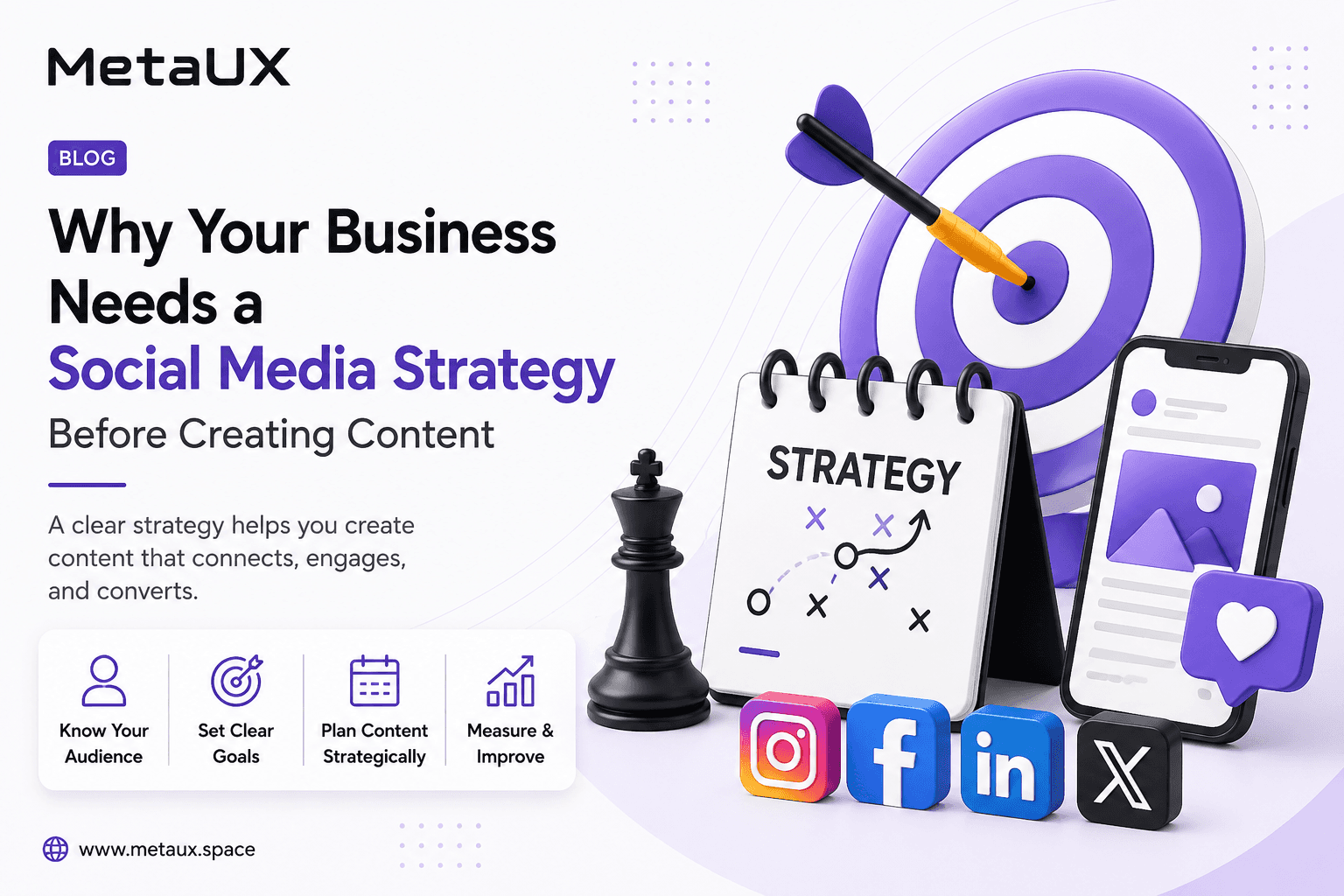
Why Every Brand Needs a Social Media Strategy in 2026
Introduction
Your website is often the first interaction potential customers have with your business.
Within a few seconds, visitors decide whether to stay, explore your services, or leave and choose a competitor.
Many businesses invest in a website only once and rarely update it. Over time, outdated design, poor performance, and weak user experience can reduce trust, lower conversions, and limit business growth.
A website should do more than look professional—it should help turn visitors into customers.
Why Your Website Matters
A modern website is more than an online brochure.
It works as your digital salesperson, available 24 hours a day, helping customers:
Learn about your business
Understand your services
Build trust
Contact you
Make purchasing decisions
A well-designed website improves credibility while supporting your marketing efforts across SEO, social media, paid advertising, and Google Business Profile.
1. Slow Loading Speed
Website speed has a direct impact on user experience.
Visitors expect pages to load quickly, especially on mobile devices.
A slow website increases bounce rates and can reduce both search rankings and conversions.
Improving image optimization, hosting performance, and code efficiency can significantly improve loading speed.
2. Poor Mobile Experience
More than half of website visitors now browse using smartphones.
If your website isn't fully responsive, users may struggle to navigate, read content, or complete enquiries.
A mobile-first design ensures a seamless experience across all devices.
3. Unclear Messaging
Visitors should understand what your business does within the first few seconds.
Many websites focus on generic headlines instead of communicating clear value.
Strong messaging should answer:
What do you offer?
Who do you help?
Why should customers choose you?
Clear communication builds trust and encourages visitors to explore further.
4. Weak Calls-to-Action
Every page should guide visitors toward a specific action.
Whether it's booking a consultation, requesting a quotation, or contacting your team, clear calls-to-action help increase conversions.
Without direction, many visitors simply leave without taking the next step.
5. Outdated Design
Your website reflects your brand.
An outdated design may create the impression that your business is no longer active or keeping up with industry standards.
Modern layouts, clean typography, and intuitive navigation contribute to a stronger first impression.
6. Difficult Navigation
Visitors should be able to find important information quickly.
Complicated menus, cluttered layouts, and confusing page structures create frustration and reduce engagement.
Simple navigation improves usability while helping visitors reach the information they need.
7. Missing Trust Signals
Customers want confidence before making a purchasing decision.
Including elements such as:
Client testimonials
Case studies
Google Reviews
Certifications
Portfolio
Industry experience
helps establish credibility and reduce hesitation.
Trust is often the deciding factor between you and a competitor.
8. Ignoring Search Engine Optimization
Even the most beautiful website has limited value if customers cannot find it.
Basic SEO practices such as optimized page titles, structured headings, relevant keywords, and fast loading speeds improve visibility on Google while attracting qualified visitors.
SEO should be considered from the beginning of every website project.
9. No Regular Maintenance
A website requires ongoing attention.
Regular updates improve:
Security
Performance
Compatibility
User experience
Ignoring maintenance increases the risk of technical issues and security vulnerabilities.
10. Focusing Only on Design
Many businesses believe an attractive website is enough.
In reality, successful websites balance design with strategy.
The best websites combine:
User Experience (UX)
Clear messaging
Fast performance
SEO
Conversion optimization
Strong branding
A beautiful website without a clear business objective rarely delivers meaningful results.
What Makes a High-Performing Website?
An effective business website should:
Load quickly
Work perfectly on mobile devices
Clearly communicate your services
Guide visitors toward action
Build trust through social proof
Be optimized for search engines
Support long-term business growth
When these elements work together, your website becomes a valuable business asset rather than just an online presence.
Conclusion
Your website is often your most important digital marketing asset.
Rather than treating it as a one-time project, view it as an ongoing investment in your brand, customer experience, and business growth.
Regular improvements in design, performance, SEO, and user experience help create a website that attracts visitors, builds trust, and converts enquiries into customers.
Ready to Build a Website That Works?
At MetaUX, we design and develop modern websites that combine user experience, performance, SEO, and conversion-focused design to help businesses grow online.
Whether you're launching a new website or redesigning an existing one, we create digital experiences that support your long-term business goals.
👉 Book a Free Strategy Call and let's build a website that turns visitors into customers.

Let’s Talk Growth
Book a call or explore our plans to see how MetaUX can support your goals.